
Introduction to DIY Jewelry Care
Gold jewelry holds significant sentimental value. It often becomes dull over time. Daily wear exposes it to oils and dirt. Many people seek affordable cleaning solutions. Professional cleaning can be expensive. Home remedies offer a convenient alternative. You might wonder about safe methods. A common query is how to clean gold jewelry with baking soda. This method is popular among homeowners. It uses simple household ingredients. The process is generally effective. However, caution is necessary for certain pieces. Understanding the technique prevents damage. You can restore brilliance easily. This guide explains the steps clearly. Safety comes first in this process. Protect your valuable items always. Learn the proper techniques today.
Why Baking Soda Works
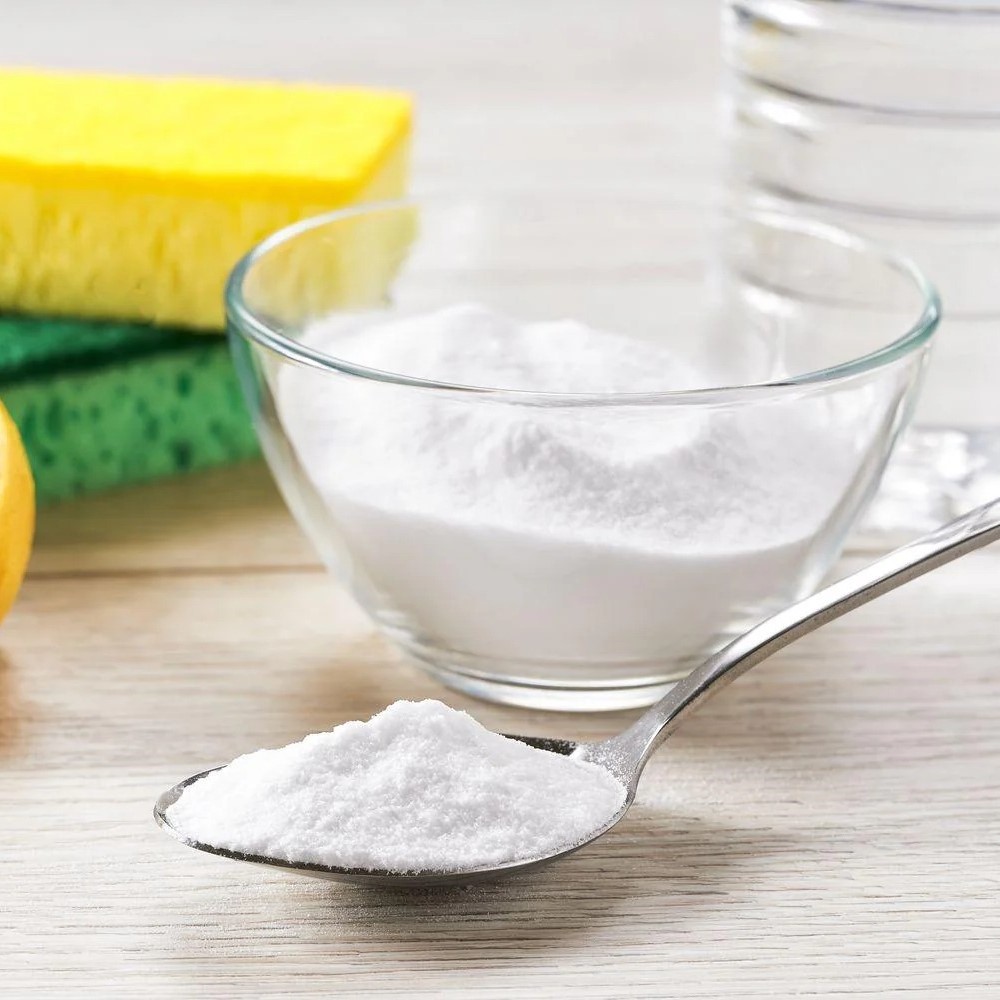
Baking soda acts as a mild abrasive. It lifts grime from metal surfaces. The chemical reaction helps break down oils. When mixed with water, it forms a paste. This paste penetrates small crevices effectively. It removes built-up residue gently. Unlike harsh chemicals, it is non-toxic. You likely have it in your kitchen. This accessibility makes it appealing. The cost is negligible compared to store cleaners. It is an eco-friendly option too. No harmful fumes are released during use. Your home remains safe and clean. The simplicity attracts many users. Everyone appreciates easy maintenance tips. This method saves time and money. It is a practical choice for many.
 Preparing Your Cleaning Station
Gathering Necessary Supplies
How to clean gold jewelry with baking soda? You need a few basic items. Start with pure baking soda. Ensure it is fresh and dry. Aluminum foil is essential for the reaction. Use a bowl that fits your jewelry. Warm water activates the cleaning process. A soft-bristled toothbrush helps scrub details. Choose one dedicated to cleaning only. Microfiber cloths dry and polish the gold. Avoid paper towels as they scratch. Gather these supplies before starting. Organization prevents accidents and spills. Prepare a clean workspace surface. Lay down a towel for protection. This setup ensures a smooth process. Having everything ready saves effort. You can focus on the task. Preparation is key to success. Do not skip this important step.
Assessing Your Jewelry Pieces
Not all gold jewelry is the same. Check for gemstones or pearls first. Porous stones absorb liquids easily. They can get damaged by soaking. Soft gems like opals require special care. Hard diamonds are usually safe. Inspect the settings for looseness. Loose prongs may catch on brushes. Tighten them before cleaning if needed. Plated gold needs gentle handling. The layer can wear off quickly. Solid gold is more durable. It withstands scrubbing better than plating. Identify the karat weight if possible. Higher karats are softer metals. Lower karats are harder alloys. Adjust your pressure accordingly. Knowledge protects your investment. Always err on the side of caution.
The Step-by-Step Cleaning Process
Creating the Chemical Reaction
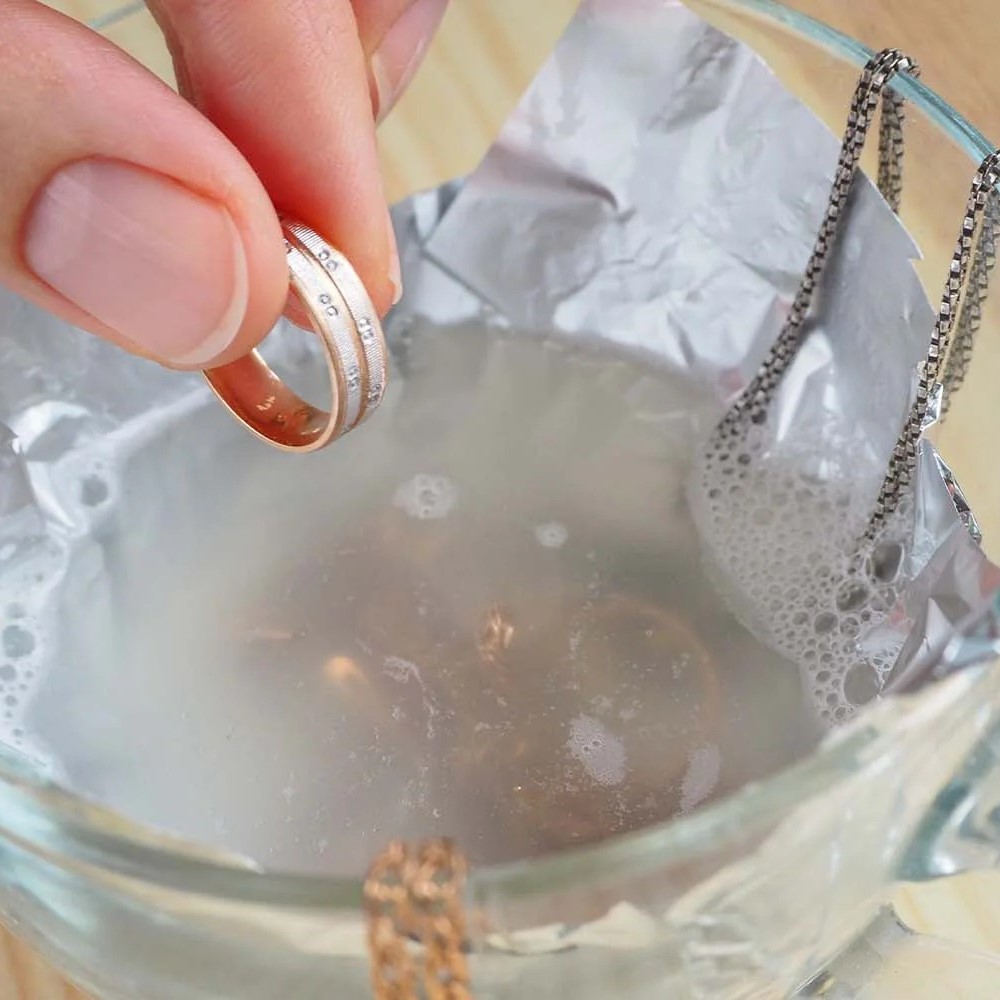
Line your bowl with aluminum foil. Place the shiny side up. This orientation matters for the reaction. Add a tablespoon of baking soda. Pour hot water into the bowl. You will see fizzing immediately. This indicates the chemical activity. Drop your gold jewelry into the mix. Ensure each piece touches the foil. The reaction targets tarnish and dirt. Let them soak for several minutes. Five to ten minutes is sufficient. Longer soaks are rarely necessary. Watch for bubbles forming around items. This shows the cleaning in action. The solution works automatically here. You do not need to stir constantly. Patience yields better results now.
Scrubbing and Rinsing Techniques
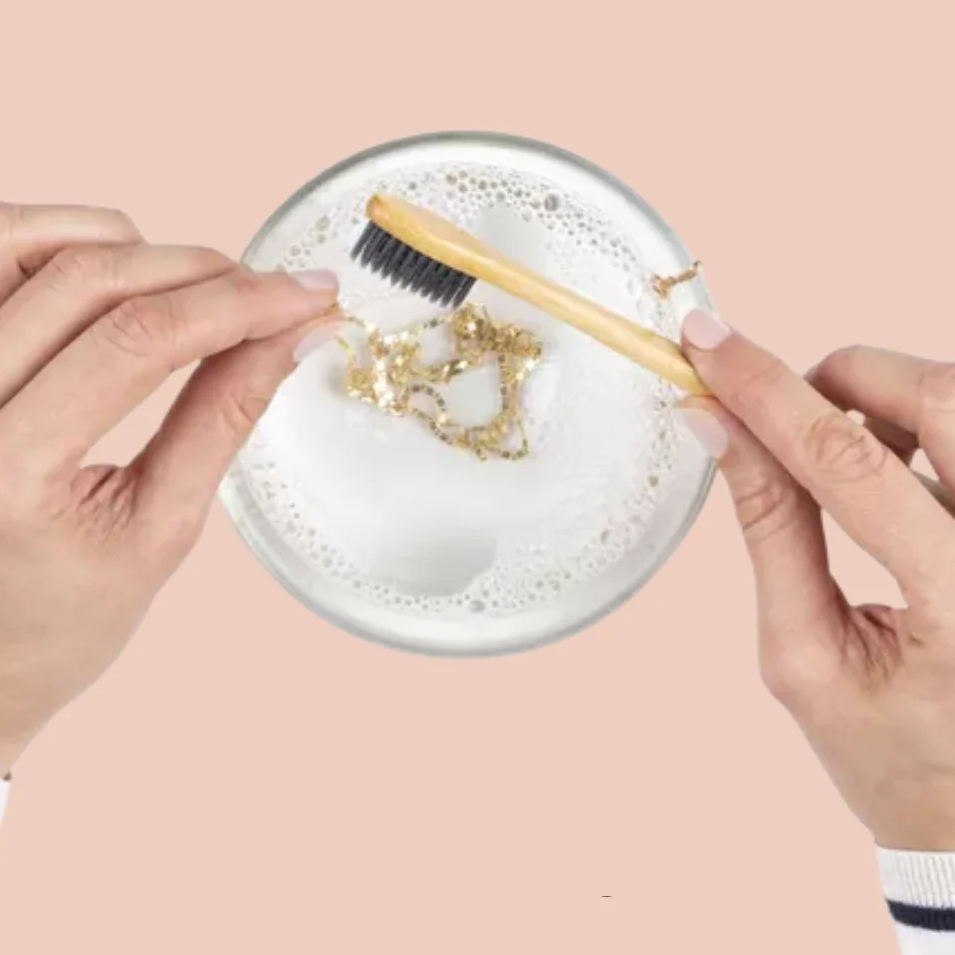
Remove the jewelry carefully after soaking. Use tongs to avoid burns. The water will be quite hot. Rinse briefly under warm running water. Take your soft toothbrush now. Gently scrub the intricate areas. Focus on chains and clasps specifically. These spots trap the most dirt. Use circular motions for best effect. Do not scrub too vigorously though. Excessive force can scratch the metal. Pay attention to stone settings gently. Rinse thoroughly to remove residue. Any leftover baking soda causes dullness. Ensure all paste is washed away. Inspect the pieces under light. Look for remaining spots of grime. Repeat if necessary for stubborn dirt. Thorough rinsing is crucial here.
 Drying and Polishing Your Gold
Proper Drying Methods
How to clean gold jewelry with baking soda? Water spots can ruin the shine. Dry your jewelry immediately after rinsing. Use a clean microfiber cloth. Pat the items gently to absorb moisture. Do not rub aggressively against stones. This prevents loosening the settings. Air drying is an alternative option. Place items on a clean towel. Ensure good air circulation around them. Avoid direct sunlight for drying. Heat can damage certain gemstones. Room temperature is ideal for this. Check for hidden moisture in links. Chains often hold water inside. Shake them gently to dislodge drops. Use a hairdryer on cool setting. Keep it at a safe distance. Complete dryness prevents future tarnish. Moisture leads to oxidation over time.
Final Polishing Touches
Polishing brings out the luster. Use a separate dry microfiber cloth. Buff the gold surfaces lightly. This step removes any final streaks. It enhances the natural shine significantly. For high-polish finishes, be careful. Avoid scratching the smooth surface. Matte finishes require less buffing. Over-polishing can alter the texture. Inspect your work under bright light. Look for any missed spots. Turn the jewelry over completely. Check the back of pendants too. These areas often get neglected. A final inspection ensures quality. Your jewelry should look brand new. The sparkle will be noticeable. Enjoy the restored beauty today. Proper polishing completes the process.
Safety Precautions and Warnings
Risks to Gemstones and Pearls
Baking soda is abrasive by nature. It can scratch soft gemstones. Pearls and coral are particularly vulnerable. Their surfaces are delicate and porous. Acidic or alkaline substances harm them. Avoid using this method on them. Emeralds often have oil treatments. Baking soda can strip these oils. This leads to cracking or dullness. Opals contain water within their structure. Sudden temperature changes cause crazing. Hot water shocks these sensitive stones. Turquoise is another stone to avoid. It absorbs chemicals easily. Discoloration occurs rapidly with exposure. Always research your specific gemstones. When in doubt, skip the soak. Use a damp cloth instead. Safety preserves the integrity of stones.
Limitations for Plated Jewelry
Gold-plated items have thin layers. Aggressive cleaning wears this layer down. Baking soda paste can be too rough. It may expose the base metal underneath. Once the plating is gone, it cannot return. Use extreme caution with plated pieces. Dilute the baking soda significantly. Reduce the soaking time drastically. One minute is often enough. Gentle wiping is safer than scrubbing. Consider professional cleaning for valuable plated items. They have specialized tools and solutions. Home methods carry higher risks here. Verify if your item is solid gold. Hallmarks indicate the metal content. Look for stamps like 14K or 18K. Absence of marks suggests plating. Know what you own before cleaning.
 Alternative Cleaning Methods
Mild Soap and Water Solution
Dish soap is a gentle alternative. Mix a few drops with warm water. Soak your jewelry for fifteen minutes. This loosens dirt and oils safely. It is safe for most gemstones. Use a soft brush to agitate. Rinse thoroughly with clean water. Dry with a lint-free cloth. This method is less abrasive. It poses minimal risk to surfaces. It is ideal for regular maintenance. Weekly cleaning keeps jewelry bright. Prevent buildup with consistent care. This routine extends the lifespan. It is the safest home method. Professionals often recommend this approach. It is effective for daily grime. Stubborn tarnish may need more power. But for general upkeep, it suffices.
Commercial Jewelry Cleaners
Store-bought cleaners offer convenience. They are formulated for specific metals. Follow the instructions on the label carefully. Some contain ammonia for extra strength. Ammonia cleans gold effectively but smells strong. Use in a well-ventilated area only. Avoid contact with skin and eyes. These products often include dipping baskets. They simplify the soaking process. Ultrasonic cleaners use sound waves. They shake dirt loose from crevices. These machines are great for chains. However, they can loosen stones. Check settings before using ultrasound. Commercial options save time and effort. They provide consistent results reliably. Invest in a good quality cleaner. It lasts for many cleaning sessions.
 Common Questions About Cleaning Gold
FAQ Section
Can I use vinegar instead of baking soda?
Vinegar is acidic and can damage some metals. It is not recommended for gold alloys. It may corrode weaker components. Stick to neutral pH cleaners. Baking soda is safer for most. Vinegar risks long-term structural damage.
How often should I clean my gold jewelry?
Clean it once a month regularly. Frequent wear requires more attention. Sweat and lotion build up quickly. Monthly cleaning prevents heavy tarnish. Occasional wear needs less frequency. Store it properly between uses.
Is it safe for white gold?
White gold has a rhodium plating. Baking soda can wear this down. Use mild soap and water instead. Rhodium replating is expensive. Preserve the coating with gentle care. Avoid abrasive pastes on white gold.
What if the jewelry still looks dull?
It may need professional polishing. Deep scratches require buffing machines. Home methods cannot fix physical damage. Consult a local jeweler for advice. They can restore the original finish. Professional services ensure safety.
 Conclusion
Final Thoughts on Jewelry Maintenance
Caring for your gold is essential. Regular cleaning maintains its beauty. Knowing how to clean gold jewelry with baking soda is useful. It is a handy skill for homeowners. However, always prioritize safety first. Understand your jewelry’s composition fully. Protect delicate stones from abrasion. Use gentle techniques for plated items. Consistency is key to longevity. Establish a routine cleaning schedule. Store your pieces in dry places. Avoid exposure to harsh chemicals. Perfume and hairspray can tarnish gold. Put jewelry on after applying cosmetics. This simple habit prevents damage. Your jewelry will last for generations. Share these tips with friends. Help others preserve their treasures. Proper care reflects respect for value. Enjoy your sparkling accessories always.