
Why a Bowling Ball Comparison Matters for Every Player
Making the right choice in bowling equipment starts with a solid bowling ball comparison. Whether you are new to the sport or have been playing for years, selecting the correct ball affects your performance. It influences hook potential, pin carry, and overall control.
First, not all balls react the same on the lane. Some hook early. Others save energy for the back end. These differences come from core design and coverstock materials. Understanding them helps match a ball to your style. A proper comparison reveals which features suit your speed and rev rate.
Second, lane conditions change constantly. Oil patterns vary between alleys and tournaments. A ball that works well on one pattern may fail on another. By comparing options, you can build a set that handles multiple scenarios. This adaptability improves consistency across games.
Additionally, personal skill level plays a role. Beginners need forgiving balls. They should go straighter with minimal backend reaction. Advanced bowlers want aggressive motion. They rely on strong cores and reactive covers. A detailed bowling ball comparison guides each decision.
Finally, investing in multiple balls adds cost. You want value for money. Comparing durability, price, and performance ensures smart purchases. Over time, this leads to better scores and more enjoyment.
 Key Factors in a Complete Comparison Bowling Ball
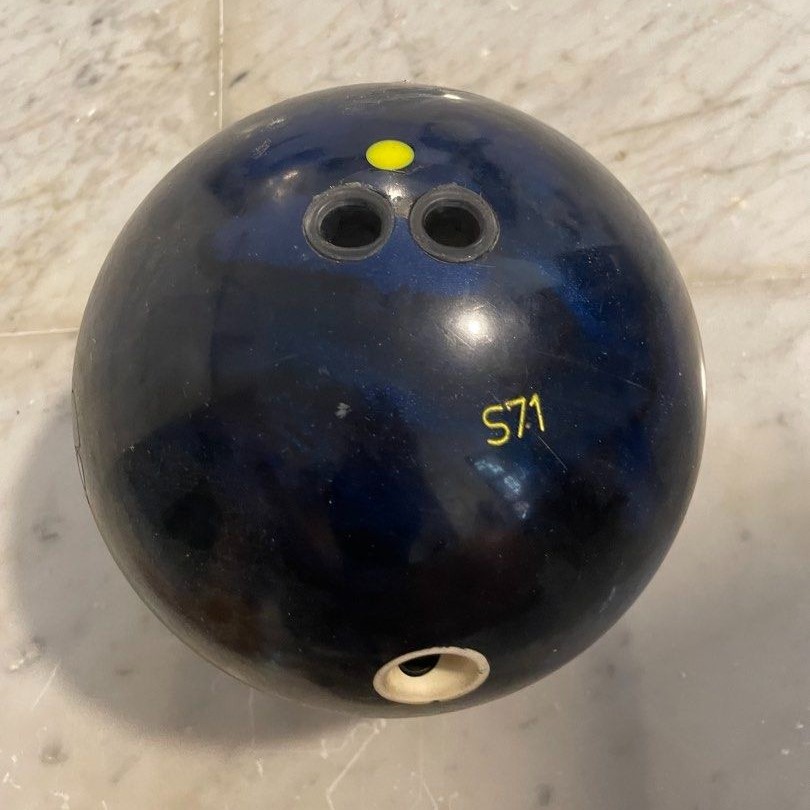
When conducting a bowling ball comparison, several elements must be evaluated. Each one contributes to how the ball behaves during play. Ignoring any factor can lead to poor results.
Coverstock is the outer layer of the ball. It interacts directly with the lane surface. There are three main types: plastic, urethane, and reactive resin. Plastic balls skid smoothly. They are ideal for spares or very oily lanes. Urethane offers mild hook and durability. Reactive resin provides maximum friction. It creates strong mid-lane and backend movement.
The core is the inner weight block. It controls the ball’s balance and rotation. Symmetrical cores offer smooth, predictable motion. They work well for straighter shots. Asymmetrical cores generate faster rev rates. They increase flare potential and hitting power. Choosing the right core depends on your release style.
RG (Radius of Gyration) measures how mass is distributed. Low RG means the ball starts rolling sooner. High RG delays roll, saving energy for later. Differential refers to track flare. Higher numbers mean more angular motion. These specs appear on every ball’s label. Use them during your comparison.
Overall, matching these traits to your game leads to smarter choices. A full bowling ball comparison considers all technical aspects before purchase.
Types of Bowling Balls and Their Uses
Different bowling balls serve different purposes. Knowing the categories helps narrow down choices. A good bowling ball comparison includes at least four main types.
Plastic balls are entry-level tools. They are often called spare balls. Their smooth surface does not hook much. This makes them perfect for picking up single pins. Many house sets include plastic models. They last long and resist scratches.
Urethane balls came next in evolution. They create more friction than plastic. The hook is controlled and gradual. Intermediate players use them on medium oil patterns. They provide better pin action without being too aggressive.
Reactive resin balls dominate modern leagues. They come in solid, pearl, and hybrid versions. Solid covers absorb oil. They read earlier on the lane. Pearl covers are smoother. They skid longer before reacting sharply. Hybrids blend both traits. They offer balanced performance.
Particle-enhanced balls are niche products. Tiny bits embedded in the cover increase traction. They excel on heavily oiled lanes. Only advanced bowlers typically use them. They wear out faster due to high friction.
Each type has strengths. A proper bowling ball comparison weighs these against your needs. Skill level, lane condition, and desired outcome all matter.
 How Lane Conditions Influence Your Choice
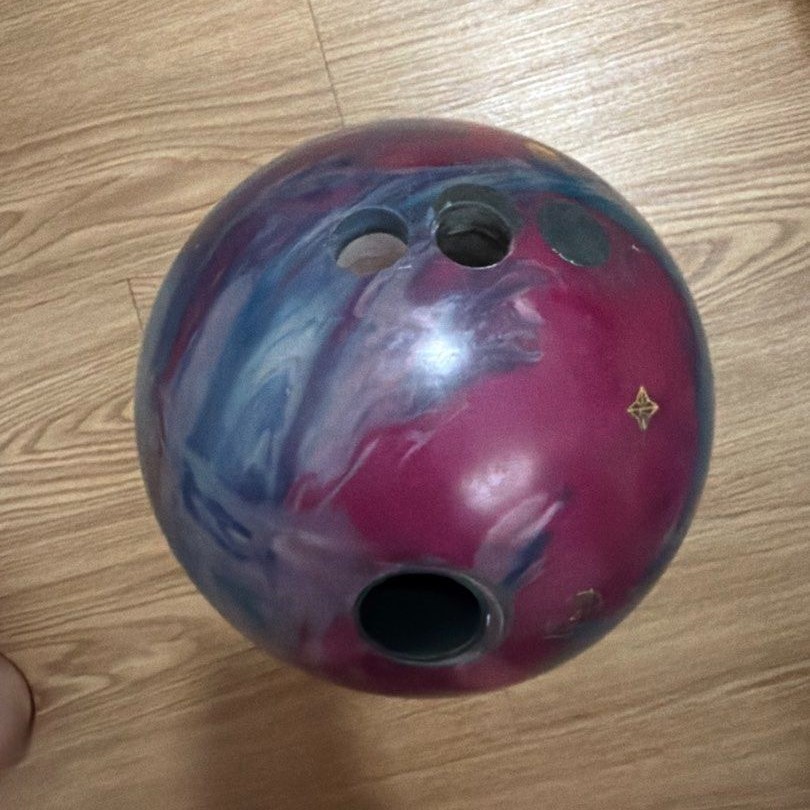
A successful bowling ball comparison must include lane oil patterns. No ball performs the same on every surface. Oil length, volume, and breakdown affect motion.
Short oil patterns end closer to the foul line. The front part of the lane is wetter. Dry back ends cause sharp backend reactions. Here, a ball with a dull finish works best. It reads earlier. Controlled hook prevents overreaction.
Long oil patterns extend further down the lane. The dry area appears near the pins. Balls skid longer before changing direction. Pearl or polished reactive balls thrive here. They delay hook until the breakpoint. Energy remains for strong finishes.
Medium patterns fall in between. Most recreational centers use them. Hybrid coverstocks perform well. They handle moderate oil with stability. Symmetrical cores add predictability. This setup suits strokers and tweener styles.
As lanes break down, oil shifts. Friction increases in certain areas. Your original ball may start hooking too early. That’s when having a second option helps. A weaker ball can stay behind the heads. Adjustments keep you competitive.
Always test your ball on warm-up shots. Watch how it reacts. Compare its path to others in your bag. Real-time feedback improves decision-making. A thorough bowling ball comparison includes live testing.
Reading Ball Specifications for Better Decisions
Every bowling ball has technical details listed by the manufacturer. Learning to read them improves your bowling ball comparison process. These numbers guide performance expectations.
RG values range from 2.46 to 2.80. Lower numbers mean the ball rolls faster off the hand. They favor shorter patterns. Higher RG balls maintain skid. They work on longer oil. Match your rev rate to the number. High-rev players often choose lower RG.
Differential measures track flare potential. It ranges from 0.010 to 0.050+. Small differentials give smooth arcs. Large ones produce angular changes. Tweener and cranker styles benefit from higher values. Strokers prefer milder motion.
Intermediate differential applies only to asymmetrical cores. It adds extra flare and tilt. This creates sharper angles. It also increases sensitivity to lane transitions. Use it wisely based on experience.
Surface finish is measured in grit. Factory finishes range from 500 to 4000+. Dull surfaces grab oil. Polished ones skid more. You can alter grit using sanding pads. Customizing finish tailors the ball to current conditions.
Top weight indicates static balance. Modern drilling reduces its impact. Still, some bowlers consider it during layout planning. Always check all specs together. One number alone does not tell the full story.
 Brand Differences in Bowling Ball Design
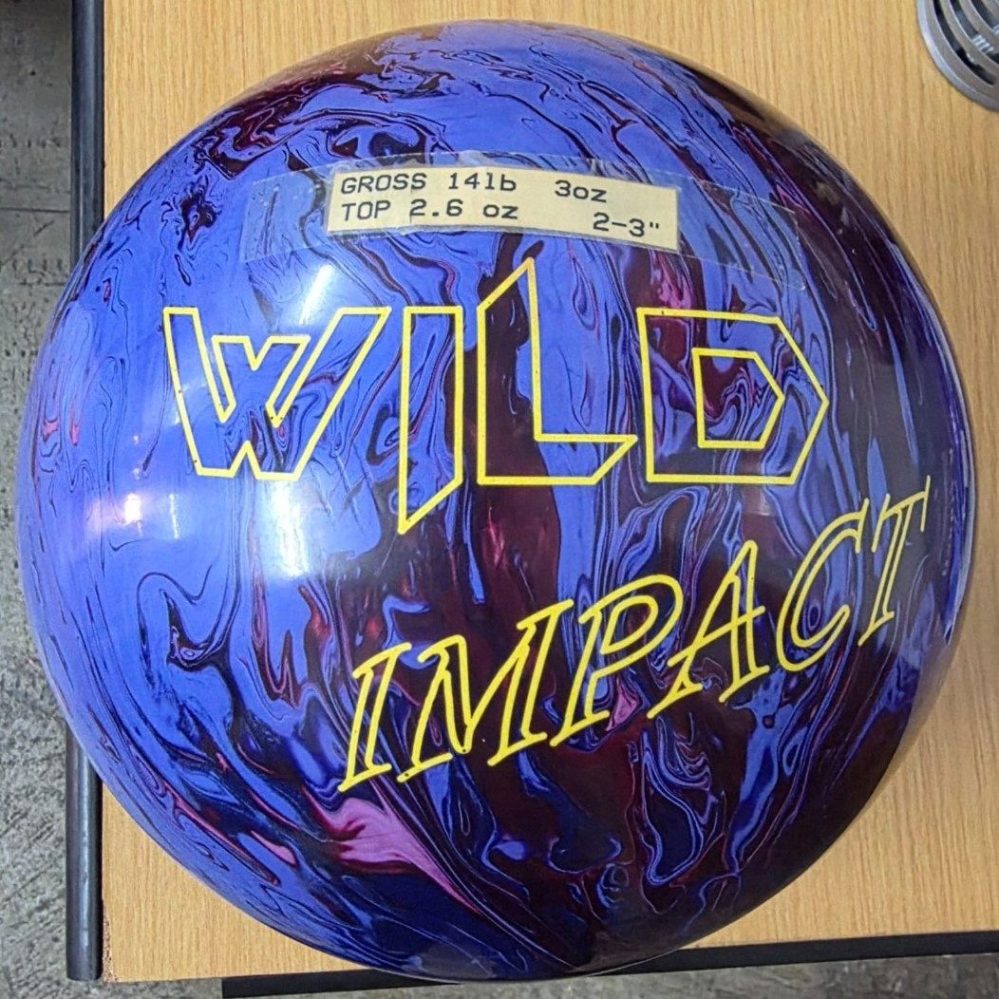
Major brands approach design differently. A strong bowling ball comparison includes top names like Storm, Brunswick, Motiv, Track, and Hammer. Each has unique philosophies.
Storm focuses on innovation. They develop proprietary coverstocks and cores. Their Roto Grip line targets aggressive players. Layout guides help users maximize performance. Consistent quality earns trust.
Brunswick blends tradition with technology. Their RADICAL series delivers powerful motion. They offer a wide range of price points. Entry-level and pro models coexist. Durability is a common theme.
Motiv emphasizes precision engineering. Their Vibe and Thrive lines feature clean shapes. Core symmetry allows repeatable shots. Ideal for players who value consistency.
Track builds durable, high-performance gear. Their Lucid and Theory series are popular. Strong urethane formulas stand out. Good for blended oil conditions.
Hammer offers bold designs and strong reactions. Their Black Widow line is iconic. Aggressive players enjoy backend pop. Limited editions attract collectors.
A complete bowling ball comparison evaluates brand reputation, customer support, and product lifespan. Try demo days if possible. Hands-on testing beats reading alone.
 Frequently Asked Questions About Comparison Bowling Ball
Can I Use the Same Ball for All Lane Patterns?
No. One ball rarely handles every condition. Short oil demands earlier-read balls. Long oil requires delayed reaction. Having at least two—strong and weak—improves scoring. Rotate based on oil breakdown.
Should Beginners Invest in Expensive Balls?
Not immediately. Start with a mid-range urethane or plastic ball. Learn your release first. Once consistent, upgrade to reactive resin. Avoid wasting money on gear you cannot control yet.
How Often Should I Replace My Bowling Ball?
Replace when it loses reaction. Surface wear reduces hook. Cracks or chips require immediate replacement. Clean regularly. Resurface every 30–50 games. Proper care extends life significantly.
Do Weight and Finger Hole Size Matter?
Yes. Most adult players use 14–16 pounds. Lighter balls reduce strain. Fitting ensures comfort and control. Visit a pro shop for custom drilling. Poor fit causes inconsistency.
What Is the Best Way to Test Multiple Balls?
Join a demo day. Many pro shops host events. Try various brands and models. Bowl several games. Note how each reacts. Take notes on strength, smoothness, and forgiveness. Compare side by side.
 Final Thoughts on Making an Informed Comparison Bowling Ball
Choosing the right bowling ball comes down to a careful comparison. It is not just about brand or looks. Performance, construction, and fit all play key roles.
Each player has unique needs. Speed, rev rate, and style shape decisions. Lane knowledge improves judgment. Experience teaches what works best.
Start with your skill level. Build gradually. Add balls as needed. Focus on versatility. A strong spare ball and one primary driver make a solid base. Expand from there.
Maintenance matters too. Clean after every session. Store properly. Keep away from heat and sunlight. These habits preserve performance.
In the end, a smart bowling ball comparison leads to better scores. It builds confidence. It turns guesswork into strategy. Whether you’re in a league or just playing for fun, the right ball makes all the difference. And now you know exactly how to find it.